

Falavarjan County: History, Geography, Society, and Heritage
Geography and Administrative Status
Falavarjan County is located in Isfahan Province, central Iran, with Falavarjan City serving as its administrative capital.
The total area of the county is approximately 319 square kilometers.
:Bordering regions
- East: Isfahan
- North: Khomeyni-Shahr
- South: Mobarakeh
- Northwest: Najafabad
- West: Lenjan
Administrative divisions: Falavarjan County consists of
- The Central District, and
- Pir Bakran District,
including several cities such as Falavarjan, Qahderijan, Kelishad & Sudarjan, Abrisham, Imanshahr, Pir Bakran, and multiple villages and rural communities.
Population and Social Composition
According to the 2016 national census, Falavarjan County had a population of 249,814 people.
:Population distribution
- About 60% urban
- About 40% rural
The local language is Persian, spoken with a dialect similar to that of Isfahan.
Main occupation: Agriculture remains the most dominant source of livelihood, with vast cultivated lands across the region.
Administrative Structure and Cities
Falavarjan County includes two major districts and numerous towns and rural districts. The most notable cities are:
- Falavarjan – the administrative center
- Qahderijan – historically rural with a strong agricultural background
- Kelishad & Sudarjan
- Abrisham
- Imanshahr
- Pir Bakran – home to the well-known mausoleum of Mohammad ibn Bakran
More than 50 to 60 villages form the county’s extended rural landscape.
Agriculture, Environment, and Local Economy
The fertile plains—especially areas close to the Zayandeh-Rud River—have made Falavarjan one of the agricultural hubs of Isfahan Province.
Major agricultural products include:
- Rice, wheat, barley
- Vegetables and summer crops
- Fruit orchards producing apples, peaches, cherries, apricots, plums, and similar seasonal fruits
Historically, irrigation relied heavily on the Zayandeh-Rud, although recent water shortages have affected the region.
With its traditional rural architecture, old houses, and natural countryside, local authorities are increasingly focusing on rural tourism and ecotourism development.
Historical Background and Origin of the Name
Etymology: Historical accounts suggest that an older settlement named “Barzan” once existed near the current location. Over time, following the construction of a bridge over the Zayandeh-Rud, the name gradually evolved from “Pol-Vargan / Pol-Varjan” to “Falavarjan.”
This transformation—combining the word “bridge” with a local name—forms an important part of the region’s cultural identity.
Ancient settlement: Archaeological and local evidence shows continuous human settlement in the Zayandeh-Rud plain for thousands of years. Throughout prehistoric eras, the medieval period, and the Safavid era, villages, caravan routes, and trade posts developed along this transit path.
Historical Heritage and Notable Monuments
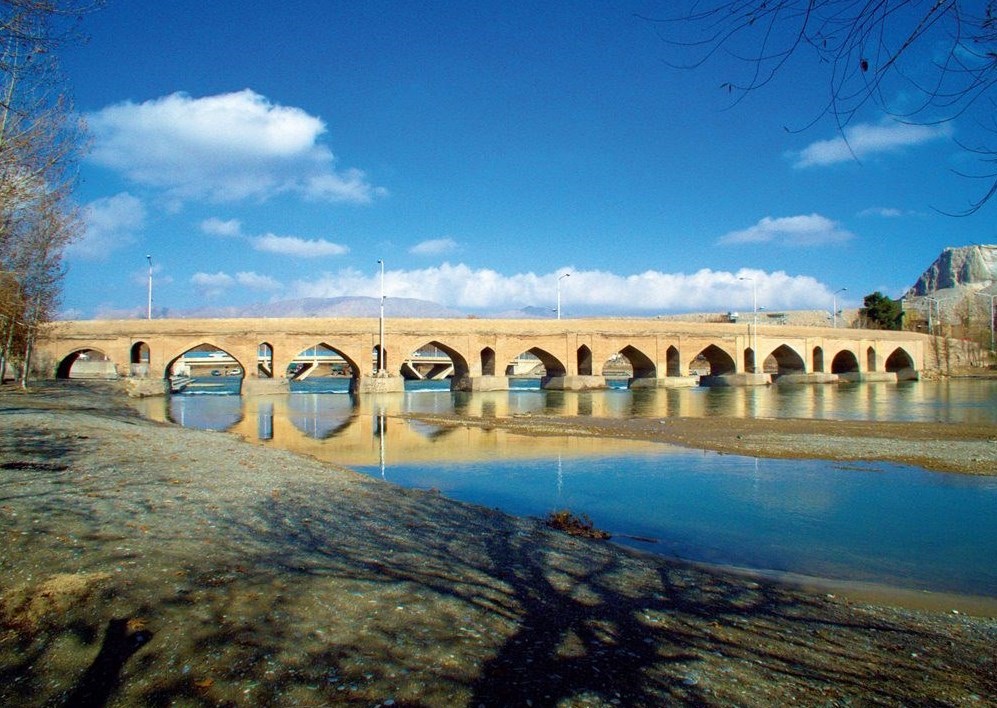
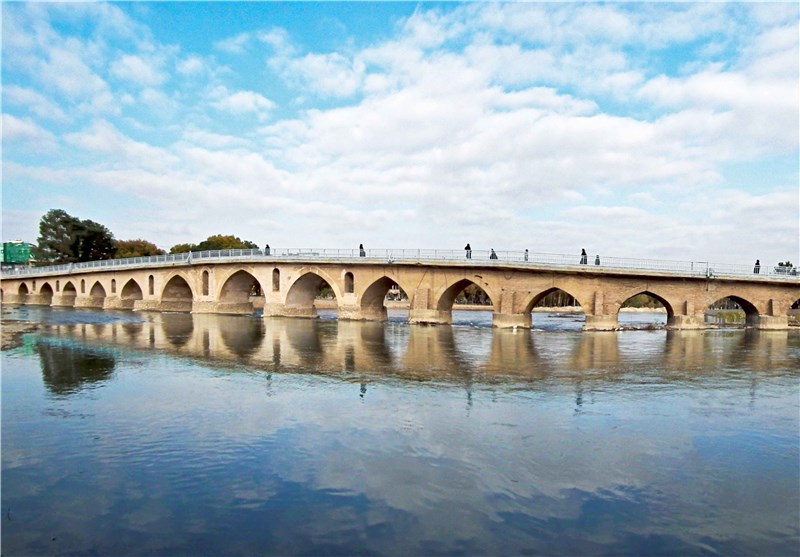
Falavarjan Historical Bridge (Pol-e Varjan)
This remarkable bridge is the only two-arched bridge over the Zayandeh-Rud in Isfahan Province.
Specifications:
- Length: ~140 meters
- Width: 5–7.5 meters
- 18 arches (some sources mention two now sealed)
- Stone foundations with brick arches
Dating back to the Safavid era (approx. 400 years ago), the bridge was engineered to support caravan traffic while regulating the powerful river currents—an architectural feature that makes it unique among Iran’s historic bridges.
Today, it stands as one of the cultural symbols of Falavarjan and an important attraction for visitors interested in history, architecture, and nature.
Other Architectural and Cultural Landmarks
Falavarjan County includes historically rich towns such as Pir Bakran, which contain notable religious monuments, traditional neighborhoods, old houses, and rural mosques.
Its agricultural landscapes—rice fields, wheat farms, orchards—and the historical reliance on the Zayandeh-Rud form essential elements of the region’s cultural identity.
Pir Bakran Mausoleum (Tomb of Mohammad ibn Bakran)
- Era: Ilkhanid Period (13th–14th century CE)
- Features: Azeri-style architecture, stucco decorations, inscriptions
- Registered as a National Heritage Site of Iran in 1932
It serves as a cultural and spiritual landmark with high artistic and historical value.
Baba Mahmoud Bridge and Other Monuments
In Pir Bakran District lies the historic Baba Mahmoud Bridge, along with numerous traditional mosques, old houses, and pigeon towers across villages and rural settlements.
Major Cities and Villages of Falavarjan County
1. Falavarjan (Capital)
A central administrative and urban hub. Its proximity to the Zayandeh-Rud and position along local transit routes contributed to its economic and historical significance.
2. Qahderijan
A historically rooted city in fertile plains. Historically surrounded by defensive structures (like a Qajar-era citadel), Qahderijan is known for supplying agricultural products to Isfahan’s markets.
3. Pir Bakran
Renowned for the mausoleum of Mohammad ibn Bakran, this city is one of the most significant cultural and historical destinations in the county.
4. Kelishad & Sudarjan
Two neighboring urban centers with semi-urban development influenced by proximity to greater Isfahan, while still retaining rural and agricultural roots.
5. Zazeran (Zāzerān)
Located 24 km from Isfahan, Zazeran is positioned on a route historically compared to the Silk Road, connecting the regions of Najafabad, Falavarjan (Qahderijan), and Khomeyni-Shahr.
It has a semi-arid climate with fertile lands.
Agricultural outputs include:
- Fruits: sour cherry, cherry, plum, apricot, quince, and various summer fruits
- Crops: rice, wheat, barley, onions, potatoes, celery, cucumbers, tomatoes, and other vegetables
Carpet-weaving and orchard farming are among its most prominent traditional activities.
6. Abrisham, Imanshahr, and Other Communities
These towns serve as residential extensions for workers commuting to Isfahan, while maintaining traditional agricultural livelihoods. Surrounding them are dozens of villages forming the core of local food production.
Development Opportunities and Challenges
Falavarjan holds significant potential in:
- Cultural and historical tourism
- Rural tourism and ecotourism
- Agriculture-based economic development
However, the region faces critical challenges:
- Water scarcity
- Declining Zayandeh-Rud flow
- Environmental stress on farmlands
Preservation of historical assets—such as Varjan Bridge—is essential to prevent irreversible cultural loss.
Understanding the region’s name origins, local history, rural life, and agricultural traditions plays a vital role in strengthening cultural identity and supporting digital visibility for users and search engines.